Complaints Procedure — Commercial Waste Stevenage
Clear process for business waste and commercial rubbish collection
How we manage, investigate and resolve concerns
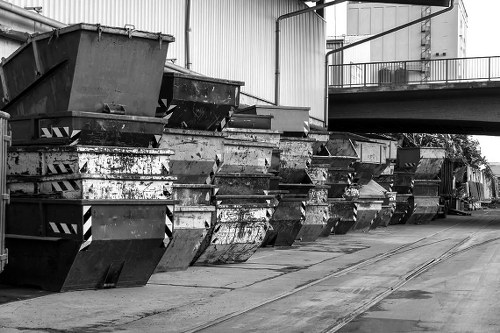 This document sets out the complaints procedure for commercial waste services operating in the service area. It explains how businesses can raise concerns about commercial rubbish collection in Stevenage and how those concerns will be handled. The procedure applies to issues such as missed collections, incorrect billing, container damage, contamination disputes and service reliability. It is designed to be straightforward, fair and timely while ensuring compliance with applicable service obligations.
The aim of the complaints policy is to restore service levels and address any failures quickly. Complaints about business waste collections will be logged and acknowledged, investigated by a designated complaints handler and resolved where possible through corrective action or explanation. We emphasise prompt communication, transparent investigation and documented outcomes so that commercial waste customers understand what to expect at each stage of the process.
 To ensure consistency, complaints are categorised by type and severity. Categories include: missed or late collections; health and safety hazards; vehicle or crew behaviour; container loss or damage; and administrative errors such as invoicing or account changes. Each complaint receives a reference number and an initial assessment indicating whether it can be resolved within 5 working days or requires a more detailed investigation.
Raising a complaint triggers an internal workflow. The steps below outline the standard route taken once a complaint is received:
- Logging: The complaint is recorded with the date, time, complainant details and a brief summary of the issue.
- Acknowledgement: An acknowledgement is issued and an expected response time is provided.
- Investigation: Relevant records, collection logs and crew notes are reviewed; site visits may be arranged where safe and necessary.
- Resolution: Corrective steps are taken, such as arranging a make-up collection, issuing a billing correction or replacing damaged containers.
- Outcome notification: The outcome and any remedial actions are communicated to the complainant.
Timeframes are central to this process. Minor complaints will be responded to within 5 working days. More complex issues requiring investigation or third-party co-ordination will normally be resolved within 20 working days and the complainant will be updated if that timeframe cannot be met. All formal responses will record the reasons for any delays.
Investigations are conducted impartially and documented. Evidence collection may include GPS tracking on vehicles, crew statements, photographic records and waste transfer documentation. Where the investigation shows a service failure, appropriate corrective actions are implemented, recorded and followed up to confirm completion. Record keeping ensures trends are identified and prevents recurrence.
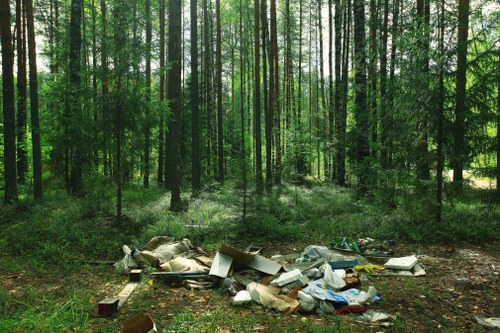 In all communications we aim to use plain language and avoid technical jargon. When a complaint involves health, safety or environmental risk, the response will prioritise immediate mitigation and safe disposal steps. Records of such incidents are reviewed by management to improve safety protocols and operational procedures for commercial waste management across the area.
If a complainant is not satisfied with the outcome, there is an internal escalation route. The escalation path involves a review by a senior manager and a second-stage formal response. The escalation stage will reassess the evidence, may involve an independent review within the organisation and will provide a final internal position on the matter.
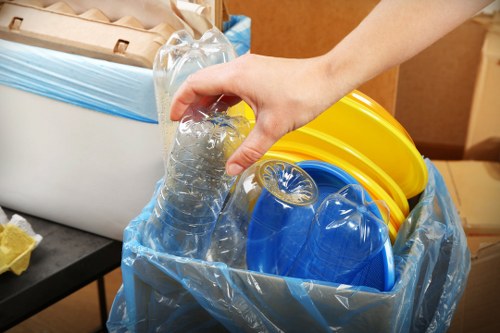 For persistent or systemic concerns, complaints are analysed for patterns. This analysis supports service improvement by identifying recurring issues such as route planning problems, incorrect container allocations or contamination rates. Improvement actions may include retraining crews, revising schedules or changing container provisioning to better meet business waste needs.
When complaints relate to regulatory or statutory obligations, the company will cooperate with relevant oversight bodies as required by law. We aim to be transparent about compliance activities while maintaining confidentiality where appropriate. Documentation of regulatory matters is retained in line with operational policy and legal retention requirements.
 Outcomes and lessons learned from complaints are used to update operational guidance and customer-facing information. Regular management reviews are carried out to ensure the complaints process remains effective and proportionate. Where faults are found, corrective action is logged and monitored until confirmed complete. Continuous improvement is a core part of maintaining reliable commercial waste services in the region.
The company is committed to fair treatment of all complainants and will not penalise anyone for raising legitimate concerns about their business waste collection. Complaints will be handled confidentially and stored securely. Data relating to complaints is used only for resolution, service improvement and compliance reporting. Privacy is respected during every stage of the process.
Service-level outcomes are communicated clearly and in writing where requested. If corrective work is required at a premises, the actions taken will be confirmed and scheduled. For billing disputes, adjustments will be made after investigation and under documented billing policies. The aim is to restore the expected level of service and provide a reasoned explanation when that is not achievable.
By following this complaints procedure, businesses can expect a consistent, timely and transparent response to issues with commercial waste collections. The process is designed to protect health and safety, reduce operational disruption, and improve the quality of commercial rubbish collection across the service area.
Records of complaints, responses and follow-up actions are retained for internal review and future service planning. Management makes periodic summaries to review trends and ensure accountability. Accountability mechanisms include auditing complaint handling, monitoring response times and reviewing corrective action effectiveness.
Where appropriate, lessons from complaints are incorporated into training and operational updates. This helps maintain consistent standards for business waste and commercial rubbish services and reduces the likelihood of repeated service failures. The objective remains to provide a dependable service that supports the operational needs of local businesses.
End of complaints procedure overview for commercial waste services; this procedure will be reviewed periodically to reflect operational changes and legal requirements.
